
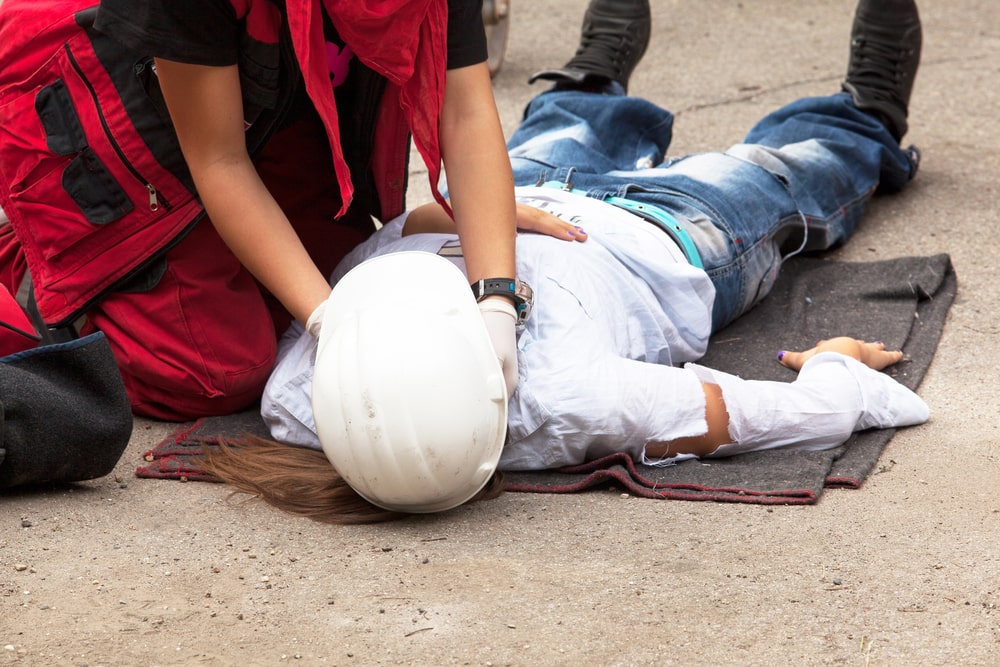
A trench collapse happens fast. What looks like a stable excavation can give way in seconds, burying a worker under hundreds of pounds of soil before anyone has a chance to react. These are not freak accidents. They are preventable events that happen when proper safety precautions are skipped, rushed, or ignored entirely.
Why Trenches Fail
Soil is not as stable as it appears. Without proper reinforcement, the walls of an excavation can shift and collapse under their own weight. Several conditions make trenches especially dangerous:
- Soil that has been weakened by rain, flooding, or nearby water sources
- Vibrations from heavy equipment or traffic running close to the excavation
- Trenches dug deeper than five feet without proper protective systems in place
- Failure to slope, shore, or shield the trench walls as required by safety regulations
- Spoil piles placed too close to the edge, adding pressure to unstable walls
According to OSHA, trench collapses are one of the most fatal hazards in construction, and a significant number of those deaths involve workers who had no protective system around them at the time of the collapse. Employers and site supervisors are required to follow federal and state excavation safety standards. When they don't, workers pay the price.
The Injuries That Follow A Collapse
The weight of soil is deceptive. Even a small volume of dirt can exert enormous force on a person's body. Workers who survive a trench collapse frequently face serious and long-lasting injuries, including:
- Traumatic brain injuries from impact or oxygen deprivation
- Crush injuries to the chest, abdomen, and limbs
- Spinal fractures and nerve damage
- Broken bones requiring surgery and extended rehabilitation
- Respiratory complications from inhaling debris or soil
Recovery from these injuries takes time. For many workers, getting back to full capacity is not guaranteed. The financial pressure of missed work on top of mounting medical bills adds another layer of hardship that is difficult to manage without legal support.
What New York Law Says About Construction Site Safety
New York has some of the strongest protections for construction workers in the country. Labor Law Sections 200, 240, and 241 place real responsibility on property owners, general contractors, and employers to maintain safe working conditions on job sites. When a trench collapse results from a failure to provide adequate protection, those parties can be held accountable. Workers' compensation provides a baseline of benefits after a workplace injury, covering medical treatment and a portion of lost wages. But in trench collapse cases, there may be additional legal options worth exploring depending on who was responsible for maintaining the excavation site. A Long Island construction accident attorney can help sort through those details.
Steps To Take After A Trench Collapse
If you or a coworker has been injured in a trench collapse, the steps taken immediately after the event matter. Report the accident to your employer as soon as possible. Seek medical attention even if injuries are not immediately obvious. Internal injuries and spinal trauma are not always felt right away. Document everything you can about the site conditions, including whether protective systems were in place. Most importantly, speak with an attorney before making any decisions about your claim. Workers' compensation claims involving serious injuries can become complicated quickly, and insurance carriers do not always offer what a worker is genuinely owed.
A Long Island construction accident claim involving a trench collapse may involve multiple liable parties beyond your direct employer, and understanding the full scope of your options early on makes a real difference in the outcome. Polsky, Shouldice & Rosen, P.C. has spent decades representing injured construction workers throughout New York, including those hurt in some of the most serious and preventable job site accidents. If you or someone you know has been injured in a trench collapse, reaching out to an attorney who understands New York construction law is a sound first step toward protecting your rights and your recovery.