

Getting a workers' compensation claim denial hits hard. You're already dealing with an injury, medical bills are piling up, and now the insurance company says no. It's frustrating, but don't give up yet. A denial isn't the final word on your case. You've got options, and knowing how to fight back can turn things around.
Understanding Why Claims Get Denied
You can't challenge a denial effectively until you know what went wrong. Insurance carriers reject claims for all sorts of reasons. Some are legitimate, but others aren't. Common reasons include:
- You missed the deadline for reporting your injury
- Medical evidence doesn't clearly link your injury to work
- The insurer disputes whether you were actually hurt on the job
- They're blaming a pre-existing condition
- You don't have enough documentation or witness statements
Your denial letter should spell out exactly why they rejected your claim. Read it carefully. Every word matters because this explanation tells you what evidence you'll need to gather and how to build your appeal.
File An Appeal Quickly
Time works against you after a denial. New York doesn't give you forever to appeal, and if you miss the deadline, you're done. The Workers' Compensation Board handles these appeals, and they've got strict requirements you'll need to follow. Request a hearing before a Workers' Compensation Law Judge. You can file online through the Board's website or submit a paper request. This hearing is your chance to present evidence, bring witnesses, and explain why the insurance company got it wrong. Don't wait. Start this process immediately.
Gather Additional Evidence
Your appeal won't succeed on arguments alone. You need proof. Medical records form the backbone of most workers' compensation cases, so make sure your doctor clearly connects your injury to what you do at work. Get a detailed written statement from your treating physician. It should describe your injury, explain the treatment you've received, and most importantly, state how your job caused or worsened your condition. If your employer claims the injury didn't happen at work, you'll want witness statements from coworkers who saw what happened. Construction workers face particular challenges when documenting injuries. A Suffolk County construction accident lawyer can help you figure out what evidence will actually strengthen your case and how to present it in a way that resonates with the judge.
Consider Legal Representation
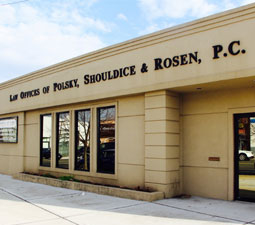
Sure, you can handle a workers' compensation appeal on your own. You're not legally required to hire anyone. But insurance companies have lawyers working full-time to minimize what they pay out. Shouldn't you have someone in your corner too? Polsky, Shouldice & Rosen, P.C. represents injured workers throughout the entire appeals process. An attorney can review your denial letter, spot weaknesses in the insurance company's reasoning, and build a compelling case for why you deserve benefits. They know what judges look for. They understand what works.
What Happens At The Hearing
The hearing isn't like courtroom dramas on TV. It's less formal than a trial, but you still need to come prepared. You'll testify about your injury, walk through how it happened, and explain how it's affected your ability to work. The insurance carrier gets to question you and present their own evidence. Expect the judge to ask questions too. They're trying to understand what really happened. After the hearing, the judge reviews everything and issues a decision. This can take weeks or even months. If you win, the insurance carrier has to start paying your benefits. Lose, and you can appeal to the Workers' Compensation Board's appellate division. It's not over until you decide it's over.
Know Your Rights On Construction Sites
Construction sites are dangerous. Falls happen. Equipment malfunctions. Workers get exposed to hazardous conditions daily. These injuries often lead to disputes about who's liable and how serious the damage really is. A Suffolk County construction accident lawyer understands the specific challenges construction workers face when trying to prove their claims. The industry has its own set of complications, and you need someone who knows how these cases actually work.
Take Action To Protect Your Rights
A denied claim doesn't close all your doors. The appeals process exists specifically to correct mistakes and give injured workers a fair shot at proving their cases. Act quickly. Gather strong evidence. Get help from someone who's been through this before. The difference between financial hardship and getting the support you need to recover often comes down to how you respond to that denial. You've earned these benefits. Don't let a rejection letter be the last word.