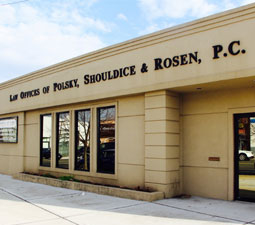
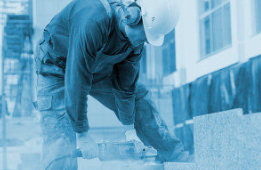
Construction Injury Lawyer in New York — Workers’ Rights & Legal Help
Construction accidents in New York can be serious—leaving workers with injuries like traumatic brain trauma, spinal cord damage, broken bones, electrocution, burns, or amputations. New York’s Scaffold Law (Labor Law § 240/241) holds property owners and employers absolutely liable for gravity-based injuries caused by falls from height without proper safety equipment.
Common Hazards & Injuries
- Falls from height: Leading cause of traumatic and often life-altering injuries.
- Falling or flying objects: Tools and materials can strike workers if not properly secured.
- Machinery accidents: Forklift, crane, or power tool malfunctions can result in lacerations, crushed limbs, or worse.
- Electrocution: Exposure to live wires or faulty tools can cause serious internal injury.
- Caught‑in or struck‑by accidents: Often preventable, yet common on chaotic worksites.
How Polsky, Shouldice & Rosen, P.C. Can Help
Filing Workers’ Compensation
Workers Comp covers:
- Medical care and rehabilitation
- Wage replacement (temporary or permanent)
- Disability or death benefits if applicable
Even undocumented workers have rights.
Third‑Party Claims
If someone else is at fault—like equipment manufacturers, subcontractors, or site managers—you may bring a personal injury claim for damages beyond what Workers’ Comp allows, including pain and suffering or punitive damages.
Comparative Negligence
New York uses a comparative negligence framework. Even if you bear partial fault (e.g. 20%), you can still recover 80% of damages, but wrongful deductions can be avoided with legal help.
What to Do If You’re Injured
- Seek medical help immediately, even if symptoms seem mild.
- Report the injury to your employer as soon as possible—delays can jeopardize your claim.
- Document the accident with photos or videos, and collect details from any witnesses.
- Keep records of medical bills, lost wages, and communication with your employer or insurer.
- Consult an attorney early, especially if liability may extend beyond your workplace.
Why Entrust Your Case to Us?
- We have served New York workers exclusively since 1991, focusing on construction injury matters.
- Our team offers free, no‑obligation consultations.
- We’re experienced in both settling claims and litigating in court if insurers or employers resist fair compensation.
- We keep you informed—honest assessment of strengths and limitations, and a clear explanation of timelines and fees.
Construction sites present serious dangers every day, and when accidents happen, workers and their families face overwhelming challenges. At Polsky, Shouldice & Rosen, P.C., we represent injured construction workers throughout New York, fighting to secure the compensation they deserve. We know firsthand the physical, financial, and emotional toll these accidents take on families. Our firm focuses on holding negligent parties accountable while helping injured workers access the benefits and damages they're entitled to under New York law.
Construction Accident Lawyer New York
Construction work ranks among the most hazardous occupations in New York, with workers facing risks from falls, equipment malfunctions, electrocutions, and collapsing structures. When these accidents occur, injured workers often don't realize they have multiple legal options beyond standard workers' compensation claims. New York's Labor Law provides specific protections for construction workers that don't exist in other industries.
Have you been injured on a construction site in New York?
At Polsky, Shouldice & Rosen, P.C., our experienced attorneys have represented injured workers for over 30 years in Brooklyn, Queens, Rockville Centre, the Bronx, and Long Island. We combine deep legal expertise—including New York’s Scaffold Law (Labor Law § 240/241) that imposes strict liability for gravity-related falls—with compassionate client support.
New York Labor Law Sections 240, 241, and 200 create strict liability standards for property owners and general contractors. These statutes recognize that construction sites involve inherent dangers requiring special safety measures. Section 240, often called the "Scaffold Law," protects workers from gravity-related hazards. Section 241 mandates compliance with specific safety regulations. Section 200 addresses general worksite safety conditions.
These laws mean that injured construction workers can pursue third-party claims against property owners, general contractors, and other responsible parties—separate from workers' compensation benefits. This distinction matters significantly because third-party claims allow recovery for:
- Pain and suffering
- Full wage replacement (not just partial benefits)
- Future medical expenses
- Loss of quality of life
- Permanent injuries and disabilities
Workers' compensation provides important benefits like medical coverage and partial wage replacement, but it doesn't compensate for pain, suffering, or full economic losses. Many construction accident victims qualify for both workers' compensation and third-party lawsuits, maximizing their total recovery.
Why Experience Matters in Construction Accident Cases
Construction accident litigation requires specific knowledge of both personal injury law and construction industry standards. We bring decades of combined experience handling these complex claims, and our track record demonstrates our commitment to achieving meaningful results for injured workers.
Our firm has successfully recovered millions of dollars for construction accident victims, including substantial settlements for workers who suffered spinal injuries, traumatic brain injuries, fractures, and other catastrophic harm. We've represented clients injured in scaffolding collapses, crane accidents, trench cave-ins, and falls from heights. These results reflect our thorough approach to investigating accidents, consulting with safety specialists, and building compelling cases that demonstrate liability.
We also understand the tactics insurance companies and defense attorneys use to minimize construction accident claims. They often argue that workers contributed to their own injuries or that accidents resulted from unforeseeable circumstances. Our preparation and attention to detail helps counter these defenses effectively, positioning our clients for favorable outcomes whether through settlement negotiations or trial.
Contact Polsky, Shouldice & Rosen, P.C. Today!
If you've been injured on a construction site, taking action quickly protects your rights and strengthens your potential claim. We offer consultations to injured workers at no cost, reviewing your case details and explaining your legal options clearly. Don't let uncertainty or financial concerns prevent you from seeking the representation you deserve. Contact us today to discuss how we can help you pursue the compensation you need to recover and rebuild your life after a construction accident.
Types of Construction Accident Cases We Handle
Construction sites rank among the most dangerous work environments in New York, with workers facing life-threatening hazards every single day. Falls, equipment failures, electrical hazards, and structural collapses can transform routine workdays into catastrophic events that forever change workers' lives and their families' futures. At Polsky, Shouldice & Rosen, P.C., we've represented construction workers for over 30 years, fighting to secure the compensation they deserve under New York's robust labor laws. Our experience spans hundreds of construction accident cases across all types of building projects, from high-rise developments to residential renovations, giving us the knowledge needed to hold negligent parties accountable and maximize recovery for injured workers.
- Scaffold Accidents - Scaffold collapses, missing guardrails, unstable planking, and inadequate fall protection cause workers to fall from dangerous heights, often resulting in spinal cord injuries, traumatic brain injuries, multiple fractures, and fatalities. New York Labor Law Section 240 holds property owners and general contractors strictly liable for these gravity-related accidents, regardless of worker fault.
- Ladder Falls - Defective ladders, improper ladder placement, inadequate securing, and unstable surfaces cause workers to fall while accessing elevated work areas. These accidents frequently result in broken bones, head injuries, back problems, and permanent disabilities that prevent return to construction work.
- Roof Accidents - Workers on roofs face fall risks from unsecured edges, weak surfaces, skylights, and absent fall protection systems. Roofing work requires proper safety equipment and edge protection, yet contractors often cut corners that put workers in danger.
- Elevated Platform Failures - Aerial work platforms, scissor lifts, and boom lifts can tip over, malfunction, or collapse when improperly operated or maintained. Workers can fall from significant heights or become trapped under overturned equipment.
- Trench and Excavation Collapses - Workers in trenches and excavations risk being buried alive when walls cave in due to inadequate shoring, improper sloping, or failure to follow safety regulations. These accidents cause suffocation, crush injuries, and death within minutes if workers cannot be rescued immediately.
- Building Collapses - Structural failures during construction or demolition can trap workers under tons of debris, causing crush injuries, amputations, internal injuries, and fatalities. These catastrophic accidents often involve multiple violations of safety regulations and building codes.
- Wall and Ceiling Failures - Improperly supported walls, ceilings, and temporary structures can collapse without warning, striking workers below or trapping them under heavy materials. These accidents result in head trauma, spinal injuries, fractures, and other serious harm.
- Crane Accidents - Tower cranes, mobile cranes, and other lifting equipment can drop loads, tip over, strike workers, or experience mechanical failures that cause devastating injuries. Crane accidents often involve operator error, inadequate maintenance, improper load calculations, or defective equipment.
- Forklift and Heavy Machinery Incidents - Construction sites use forklifts, bulldozers, backhoes, and other heavy equipment that can crush workers, cause run-over accidents, or strike pedestrians. These accidents frequently occur due to blind spots, inadequate training, or lack of proper site traffic control.
- Power Tool Injuries - Saws, drills, nail guns, grinders, and other power tools cause lacerations, amputations, eye injuries, and other trauma when defective, improperly guarded, or used without proper training. These injuries can permanently disable workers' hands and arms.
- Falling Object Injuries - Tools, building materials, equipment, and debris falling from heights strike workers below, causing traumatic brain injuries, spinal damage, shoulder injuries, and fatalities. Contractors must implement proper tool-tethering systems and overhead protection to prevent these accidents.
- Swinging Load Accidents - Cranes, hoists, and other lifting equipment create hazards when loads swing, shift, or break free during lifting operations. Workers struck by swinging loads suffer crushing injuries, fractures, internal trauma, and death.
- Vehicle Strikes - Construction vehicles backing up, moving materials, or operating in congested areas can strike workers on foot, causing severe injuries or death. These accidents often result from inadequate spotters, poor visibility, and lack of designated pedestrian walkways.
- Electrocution Accidents - Contact with power lines, energized equipment, faulty wiring, or wet conditions causes electrical burns, cardiac arrest, nerve damage, and death. Electricians and construction workers face these risks when working near electrical sources without proper de-energizing procedures.
- Electrical Burns - Arc flashes, electrical fires, and contact with live wires cause severe burns requiring skin grafts, multiple surgeries, and lengthy recovery periods. These injuries often result in permanent scarring and disfigurement.
- Oxygen Deficiency - Workers entering manholes, tanks, tunnels, and other confined spaces risk suffocation from oxygen-deficient atmospheres or toxic gases. These environments require atmospheric testing, ventilation, and rescue procedures that contractors sometimes neglect.
- Entrapment - Workers can become trapped in confined spaces during cave-ins, equipment malfunctions, or when access points become blocked. Rescue attempts in confined spaces create additional risks for both trapped workers and rescuers.
- Welding and Cutting Accidents - Hot work creates fire and explosion risks, particularly around flammable materials, gases, and enclosed spaces. These accidents cause severe burns, respiratory injuries, and traumatic injuries from explosions.
- Gas Line Ruptures - Striking underground gas lines during excavation or demolition can cause explosions and fires that injure or kill multiple workers. These accidents often involve failures to properly locate utilities before digging.
- Uncontrolled Collapses - Demolition work requires careful planning to control how structures come down, yet premature or uncontrolled collapses frequently injure workers. These accidents cause crushing injuries, burial under debris, and exposure to hazardous materials like asbestos.
- Exposure to Hazardous Materials - Demolition of older buildings exposes workers to asbestos, lead paint, silica dust, and other toxic substances that cause long-term respiratory diseases and cancer. Contractors must implement proper containment and protective equipment.
Our decades of experience representing construction workers injured in every type of site accident positions us to provide aggressive advocacy when you need it most. As a New York Construction Accident Lawyer with proven results in hundreds of cases, we understand both workers' compensation benefits and third-party liability claims under New York Labor Law. Contact us today to discuss your construction accident and learn how we can help you pursue maximum compensation for your injuries, lost wages, and pain and suffering.
Common Causes of Construction Accidents
Construction work remains one of the most dangerous occupations in New York, with thousands of workers suffering serious injuries every year. These accidents don't happen randomly—they typically result from identifiable safety violations, inadequate training, defective equipment, or negligent site management. At Polsky, Shouldice & Rosen, P.C., we've represented construction workers for over 30 years, investigating the root causes of accidents and holding responsible parties accountable. Understanding what causes construction accidents helps workers recognize hazards, but when injuries occur despite precautions, our firm stands ready to fight for the compensation you deserve under New York's worker protection laws.
Falls Due to Inadequate Fall Protection
Falls represent the leading cause of construction fatalities and serious injuries across New York. Workers on scaffolds, ladders, roofs, and other elevated surfaces need proper fall protection systems including guardrails, safety nets, and personal fall arrest equipment. Yet contractors frequently fail to provide these safeguards or maintain them properly. Missing guardrails, unsecured ladders, defective harnesses, and absent safety nets cause workers to fall from heights that result in spinal cord injuries, traumatic brain injuries, broken bones, and death. New York Labor Law Section 240 creates strict liability for property owners and general contractors when inadequate fall protection causes injuries.
Defective or Poorly Maintained Scaffolding
Scaffold accidents occur when platforms collapse, planking breaks, components aren't properly secured, or workers lack adequate access to stable scaffolding. Contractors sometimes use damaged scaffold components, fail to inspect erected scaffolds, or allow workers to build scaffolding without proper training. Overloading scaffolds beyond their weight capacity, setting them up on unstable ground, and neglecting to secure them against buildings all contribute to collapses that injure workers. These accidents frequently cause multiple injuries as workers and materials fall simultaneously.
Unstable Ladders and Improper Ladder Use
Ladder accidents happen when workers use damaged ladders, set them at incorrect angles, place them on unstable surfaces, or attempt to reach beyond safe limits. Extension ladders that aren't properly secured can slip or shift during use. Step ladders positioned on uneven ground can tip over. Workers sometimes use ladders that are too short for the task, forcing them to stand on top rungs or overreach. Contractors who fail to provide appropriate ladders for specific tasks or don't train workers on proper ladder safety contribute to these preventable accidents.
Struck by Falling Objects
Construction sites involve work at multiple levels simultaneously, creating constant risks of tools, materials, and equipment falling onto workers below. Contractors must implement toe boards, debris nets, tool lanyards, and designated drop zones to prevent falling object accidents. Yet workers frequently get struck by dropped hammers, falling lumber, shifting material loads, and debris from demolition work. Hard hats provide limited protection against heavy objects falling from significant heights. These accidents cause traumatic brain injuries, skull fractures, spinal damage, and shoulder injuries.
Equipment and Machinery Failures
Construction equipment including cranes, forklifts, excavators, and power tools can malfunction due to inadequate maintenance, manufacturing defects, or improper operation. Crane failures cause loads to drop, equipment to tip over, or mechanical components to break during lifting operations. Forklift accidents occur when brakes fail, operators can't see pedestrians, or equipment tips while moving loads. Power tools without proper guards can catch clothing or cause lacerations. Contractors who skip regular equipment inspections and maintenance put workers at serious risk.
Electrical Hazards on Job Sites
Electrocution ranks among the top causes of construction fatalities in New York. Workers contact overhead power lines with equipment or materials, work on energized electrical systems without proper lockout procedures, or use damaged electrical tools and cords. Wet conditions on construction sites increase electrocution risks significantly. Ground-fault circuit interrupters (GFCIs) can prevent many electrical injuries but aren't always provided or maintained. Electrical accidents cause severe burns, cardiac arrest, nerve damage, and death within seconds.
Trench and Excavation Cave-Ins
Workers in trenches deeper than five feet face burial risks when walls collapse. Cave-ins happen when contractors fail to install proper shoring, don't slope trench walls adequately, or allow workers in trenches during rain or near heavy equipment vibrations. Soil conditions, water infiltration, and nearby traffic all affect trench stability. Workers buried in cave-ins can suffocate within minutes, and rescue attempts themselves create additional hazards. These accidents often prove fatal or cause crush injuries, fractured bones, and internal trauma.
Inadequate Training and Supervision
Many construction accidents result from workers who haven't received proper training for their tasks or who work without adequate supervision. New workers need instruction on equipment operation, hazard recognition, and safety procedures specific to their job sites. Language barriers can prevent workers from understanding safety information. Supervisors who fail to enforce safety rules, allow shortcuts, or pressure workers to complete tasks quickly despite hazards contribute to preventable accidents. OSHA requires specific training for numerous construction tasks, yet violations remain common.
Lack of Personal Protective Equipment
Construction workers need appropriate personal protective equipment including hard hats, safety glasses, gloves, steel-toed boots, hearing protection, respirators, and high-visibility clothing depending on their tasks. Contractors sometimes fail to provide required PPE, don't replace damaged equipment, or allow workers to proceed without proper protection. Even when PPE is available, inadequate training on proper use reduces its effectiveness. Eye injuries from flying debris, hearing loss from excessive noise, and respiratory problems from dust exposure all result from PPE failures.
Poor Worksite Organization and Communication
Congested work areas, inadequate lighting, unmarked hazards, and poor communication between trades create numerous accident risks. Workers moving through cluttered sites can trip over materials, cords, and debris. Multiple crews working simultaneously without coordination can create struck-by hazards, dropped objects, and equipment conflicts. Inadequate barricades around hazardous areas allow workers to unknowingly enter dangerous zones. Construction projects require careful planning, site organization, and ongoing communication to maintain safe conditions.
Construction accidents rarely result from simple bad luck—they stem from violations of safety regulations and failures to protect workers from known hazards. As a New York Construction Accident Lawyer with three decades of experience investigating these accidents, we know how to identify the negligence that caused your injuries and hold responsible parties accountable. Whether your accident resulted from one of these common causes or another hazardous condition, contact us today to discuss your legal options and learn how we can help you pursue the compensation available under New York's worker protection laws.
Steps to Take Immediately After a Construction Injury
- Seek Medical Attention Right Away - Your health and safety come first, so get medical treatment immediately even if your injuries seem minor at the time. Some serious conditions like internal bleeding, concussions, or spinal injuries don't show symptoms right away. Prompt medical care also creates official documentation of your injuries that becomes crucial for your workers' compensation claim.
- Report the Accident to Your Employer - New York law requires you to notify your employer about workplace injuries within 30 days, but reporting immediately protects your rights and prevents disputes about when and how the accident occurred. Provide a clear account of what happened, where it happened, and what injuries you sustained. Make sure you get written confirmation that you reported the incident or keep your own record of when and to whom you reported.
- Document the Accident Scene - If physically able, take photos or videos of the accident location, equipment involved, safety violations, and any hazardous conditions that contributed to your injury. Get contact information from coworkers or others who witnessed the accident, as their statements may become important later. Write down your own detailed account of what happened while the details remain fresh in your memory.
- Preserve Evidence of Your Injuries - Keep all medical records, doctor's notes, prescription receipts, and bills related to your treatment in a safe place. Take photographs of visible injuries like bruises, cuts, burns, or swelling as they appear and heal. Document how your injuries affect your daily activities and ability to work, as this information supports your claim for benefits.
- Contact an Attorney Before Giving Statements - Insurance companies may contact you quickly asking for recorded statements about the accident, but anything you say can be used to reduce or deny your claim. Speak with an experienced construction accident attorney before providing detailed statements to insurance adjusters or signing any documents. Legal representation protects your rights and helps you avoid common mistakes that can jeopardize your recovery of full benefits.
Types of Compensation Available
- Workers’ Compensation: covers medical bills, prescription costs, lost wages, rehabilitation, and incidental expenses like mileage.
- Third-party claims: If someone other than your employer is negligent—such as equipment manufacturers or subcontractors—you may pursue a separate personal injury lawsuit for pain and suffering, punitive damages, or diminished earning capacity.
- Scaffold Law protections: Under New York law, property owners and employers face absolute liability for falls if proper safety equipment isn’t used—boosting compensation potential.
Proving Your Case & Legal Process
To hold a negligent party accountable, we evaluate:
- Duty of care, breach, causation, and damages.
- Gather evidence: OSHA safety violations, defective gear, lack of training, unsafe conditions.
- Follow required timelines and file within New York’s three-year statute of limitations, sooner if state or municipal entities are involved.
Why Choose Polsky, Shouldice & Rosen, P.C.
- New York–licensed—specializing in both workers’ compensation and personal injury claims.
- Proven results: clients regularly report significant compensation outcomes.
- Comprehensive support: From claim filing to settlement or trial, we manage every detail so you can focus on recovery.
- Multiregional presence: Offices in Brooklyn, Queens, Bronx, Rockville Centre, and Long Island.
Construction Accident FAQs
Construction sites rank among the most dangerous workplaces in New York, with workers facing life-threatening hazards every single day they report to work. Falls from heights, equipment failures, electrocutions, and collapsing structures can cause catastrophic injuries that forever change workers' lives and devastate their families financially. At Polsky, Shouldice & Rosen, P.C., we've spent over 30 years representing construction workers injured on job sites throughout New York, fighting to secure the compensation they deserve under the state's powerful worker protection laws. The following information addresses common questions construction workers and their families have after serious accidents occur on building sites.
Who Can Be Held Liable for Construction Site Injuries?
Yes—if negligence by a third party caused your injury (e.g. faulty scaffolding, negligent property owner), you may have a separate claim. Construction accident cases differ from typical workplace injuries because New York law allows claims against multiple parties beyond workers' compensation. Property owners who hire contractors bear legal responsibility for worker safety under New York Labor Law. General contractors overseeing projects also face liability when safety violations cause injuries. Subcontractors, equipment manufacturers, and architects may share responsibility depending on circumstances. You can potentially recover workers' compensation benefits plus pursue third-party lawsuits against property owners and contractors for pain, suffering, and full wage replacement not available through workers' compensation alone.
What Makes New York Labor Law Section 240 So Powerful?
New York Labor Law Section 240, called the "Scaffold Law," creates absolute liability for property owners and general contractors when workers fall from heights or get struck by falling objects due to inadequate safety equipment. Unlike typical negligence cases requiring proof of carelessness, Section 240 only requires showing the accident involved gravity-related hazards without proper safety devices. Property owners cannot escape liability by arguing worker fault or unforeseeable circumstances. This statute ranks among the strongest worker protection laws nationally, providing extraordinary compensation opportunities for scaffold collapses, ladder falls, and falling object injuries.
How Do Construction Accident Claims Differ From Other Injury Cases?
Construction claims involve unique legal issues absent in most personal injury cases. New York's Labor Law creates strict liability standards making negligence easier to prove than typical accidents. Cases often involve multiple defendants—property owners, contractors, subcontractors, manufacturers—each with separate insurance providing recovery sources. The technical nature requires attorneys understanding OSHA regulations, safety standards, and construction operations. Construction injuries tend toward catastrophic severity—spinal damage, brain injuries, amputations—requiring extensive treatment. These factors make cases more valuable but legally involved, demanding specialized knowledge to maximize recovery through workers' compensation and third-party claims.
Why Should I Hire an Attorney After a Construction Accident?
Insurance companies immediately investigate construction accidents to minimize liability and reduce payouts. They send investigators to scenes, interview witnesses, and gather evidence before injured workers leave hospitals. Without representation, you face well-funded insurers with experienced attorneys working to deny claims. We conduct independent investigations, preserve evidence, consult safety professionals who reconstruct accidents, and gather medical evidence documenting injuries and future needs. Our three decades handling construction cases means we know how to maximize recovery through workers' compensation and third-party lawsuits. Construction cases involve complicated issues about responsibility, safety violations, and appropriate compensation requiring experienced legal guidance.
What Types of Compensation Can I Recover?
On top of workers’ comp benefits, you can pursue compensation for lost wages, future earning capacity, pain and suffering, and punitive damages in serious cases. Construction workers pursue compensation through multiple channels. Workers' compensation provides medical coverage and partial wage replacement (two-thirds of average weekly wage) without proving negligence, but doesn't cover pain, suffering, or full wages. Third-party lawsuits against property owners and contractors allow recovery for pain, suffering, mental anguish, loss of life enjoyment, full past and future lost wages, future medical expenses, permanent disability, disfigurement, and lost earning capacity. Egregious safety violations may warrant punitive damages. Total compensation often reaches millions in catastrophic injury cases involving paralysis, brain injuries, or amputations, combining workers' compensation benefits with third-party recoveries.
How Long Do I Have to File a Construction Accident Lawsuit?
Typically, you have three years from the accident date to file a lawsuit in New York. Consult early—some circumstances require shorter timelines. Time limits vary by claim type and defendant. Workers' compensation requires reporting injuries within 30 days and filing claims within two years. Third-party lawsuits against property owners and contractors must be filed within three years under New York's personal injury statute of limitations. Claims against government entities require filing notices within 90 days and lawsuits within one year and 90 days. These strict deadlines demand immediate attorney contact rather than waiting to see injury progression. Evidence disappears, witnesses forget details, and accident scenes change as construction continues. Early involvement preserves critical evidence and protects your rights throughout the legal process.
What Should I Do Immediately After a Construction Site Injury?
Your immediate actions significantly impact compensation recovery. Seek medical attention right away even for seemingly minor injuries, as serious conditions like internal bleeding or concussions don't show immediate symptoms. Report the accident to your supervisor in writing immediately, keeping copies. If able, photograph the scene, equipment, safety violations, and injuries. Obtain witness contact information. Don't give recorded statements to insurance adjusters before consulting an attorney—they'll use your words to minimize claims. Preserve medical records, bills, and pay stubs showing lost wages. Contact an experienced construction accident attorney immediately to protect your rights from the beginning and guide you through both workers' compensation and third-party claims.
Construction accidents cause devastating injuries that affect not just workers but their entire families who depend on their income and support. As a New York Construction Accident Attorney with over 30 years representing injured construction workers, we understand both workers' compensation benefits and third-party liability claims under New York Labor Law. Contact us today to discuss your construction accident and learn how we can help you pursue maximum compensation for your injuries, lost wages, and pain and suffering.
Contact Us for a Free Case Evaluation
Don’t navigate the aftermath of a construction accident alone. Contact our legal team today for a no-cost, no-obligation consultation. We’ll review your case and discuss your options, at no upfront charge.
Visit Our Hauppauge Office
Polsky, Shouldice & Rosen, P.C.
300 Rabro Drive East
Hauppauge, NY 11788
(516) 594‑0909 or (844) 602‑0800
Schedule a Free Consultation
Client Review
"Polsky , Shouldice and Rosen is a competent law practice that delivers results. The office is always clean and inviting, and the staff is pleasant. They have parking in the back which makes things that much easier. I was lucky enough to have Adam L Rosen represent me in a Workers' Compensation case. Adam Rosen is a pleasant, down to earth and respectful individual. As for my case, he and his staff took care of everything, kept me informed and made the experience stress free along the way. Most importantly, he and his law firm delivered a relatively good result. I hope this review helps someone looking for a good lawyer."
Bigbang Jama

Additional Resources
Explore more on:
- OSHA safety standards
- Scaffold Law (Labor Law § 240/241)
- Construction accident prevention tips
- State-specific FAQs
Frequently Asked Questions (FAQs)
Can I file a lawsuit even if I got Workers’ Comp?
Yes—if a third party is liable, you may recover damages beyond wage replacement and medical costs, including pain and suffering.
What deadlines apply?
Workers’ Comp claims must be filed quickly, and personal injury lawsuits in NY are typically subject to a three‑year statute of limitations.
How is fault determined?
Liability is established by showing duty, breach, causation, and harm—often supported by evidence and expert testimony .
Next Steps
If you or a loved one has been injured on a New York construction site:
Visit Our Hauppauge Office
Polsky, Shouldice & Rosen, P.C.
300 Rabro Drive East
Hauppauge, NY 11788
- Schedule your free consultation today.
- Call us at (844) 602‑0800.
We’re here to help injured New York construction workers fight for fair treatment and just compensation. Let us shoulder the legal burden so you can focus on recovery.