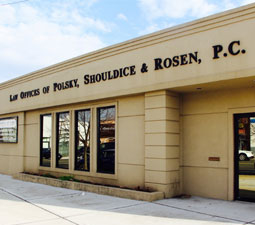


It really doesn’t. I’m Adam Rosen from Polsky, Shouldice & Rosen. We’re a workers’ compensation firm, and we’ve been doing this for about 30 years. That’s a question I get quite a bit.
Workers’ compensation is a true no-fault system. What that means is it’s a compromise, right? Whether the injury is your fault or your job’s fault, they can’t blame you for the injury, nor can you sue them if it’s their fault. It’s a compromise.
There are times when that works to your benefit, because they can’t claim fault against you. And there are times when it can be detrimental, because you can’t sue your employer for being at fault. But that’s just the way the workers’ compensation system works.
It’s set up that way because if injured workers were allowed to sue their employers, these cases would take forever. A big part of the workers’ compensation system is making sure you have access to benefits as quickly as possible and that, even if there are issues that need to be litigated, they’re handled in a timely manner.
We’ve all heard about lawsuits taking seven or eight years to settle. Workers’ compensation cases don’t work that way. So if you’re hurt on the job—whether you fall through your own fault or something happens due to the employer’s fault—it does not matter. Workers’ compensation is a true no-fault system, unlike a car accident, which is sometimes called no-fault but actually does depend on who is at fault.