

When a workplace injury in Long Island produces lasting physical limitations, the workers' compensation claim doesn't end at maximum medical improvement. A determination of permanent disability triggers a separate and often more significant phase of the claim, one that addresses what the injured worker is owed for the long-term consequences of the injury rather than just the immediate period of treatment and recovery. New York's workers' compensation system provides a structured framework for permanent disability benefits, but navigating it effectively requires understanding how it works and where disputes tend to develop.
The Two Categories of Permanent Disability in New York
New York workers' compensation distinguishes between permanent total disability and permanent partial disability. The distinction determines both the type of benefit and how long payments continue.
Permanent total disability applies when an injured worker's physical condition is so severe that they cannot perform any gainful employment. Payments at the permanent total rate continue for life in most cases. These cases are relatively uncommon because full inability to perform any work is a high standard.
Permanent partial disability is far more frequent. It applies when a worker retains some work capacity but has lasting physical limitations from the injury. The benefit structure for permanent partial disability depends on which body part was injured and how the impairment is classified.
Schedule Loss of Use vs. Non-Scheduled Loss
This is the distinction that most significantly affects what Long Island workers receive for permanent injuries under New York law.
Scheduled loss of use (SLU) applies to injuries affecting specific body parts enumerated in New York Workers' Compensation Law § 15: arms, legs, hands, feet, fingers, toes, and vision and hearing losses. The statute assigns each listed body part a specific number of weeks of compensation. A permanent impairment to one of these body parts is evaluated as a percentage of total loss of that member, and the benefit equals that percentage multiplied by the statutory weeks assigned to that body part, multiplied by the weekly benefit rate.
An orthopedic physician retained by the Workers' Compensation Board evaluates the injury and assigns a percentage of schedule loss. That percentage is often contested. The insurance carrier may send its own examining physician to dispute the treating physician's rating. The percentage assigned ultimately determines the dollar value of the SLU award, so disputes over the rating directly affect what the worker receives.
Non-scheduled loss (NSLU) applies to injuries that aren't on the schedule, primarily back, neck, spine, and head injuries. These are handled differently. Rather than a fixed schedule of weeks, the benefit is based on a determination of the claimant's reduced wage-earning capacity and continues for a period tied to the degree of disability. Classification ranges from mild (less than 25% loss of wage-earning capacity) through moderate, marked, and severe.
The non-schedule system involves more subjective assessment of the worker's ability to earn wages given their physical limitations, work history, and the available labor market. Vocational assessments and medical opinions both factor into the determination. Insurance carriers often dispute these classifications aggressively because the total benefit exposure is harder to cap than with a schedule award.
How Permanent Disability Determinations Are Made
The process typically begins when the treating physician indicates the claimant has reached maximum medical improvement and identifies permanent residual limitations. At that point, the carrier may schedule an independent medical examination by a physician of their choosing. The treating physician's opinion and the IME physician's opinion often differ, and the Workers' Compensation Board judge resolves the conflict based on the record.
The IME process is designed to protect the carrier's interests, not the worker's. A physician retained and paid by the insurance company has a financial relationship with that insurer. Workers who attend IMEs without legal representation may not fully understand that the examining physician is documenting the case for the opposing side.
Legal representation during the permanent disability phase protects workers from being assigned artificially low impairment ratings or disability classifications that undervalue the actual impact of the injury.
What Workers Should Know About Appealing Permanent Disability Decisions
When a workers' compensation judge's permanent disability decision doesn't accurately reflect the injury's impact, the worker has the right to appeal to the Workers' Compensation Board panel and, if necessary, to the Appellate Division. These appeals have specific filing deadlines and procedural requirements that are much easier to navigate with legal counsel.
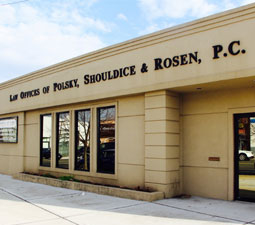
Polsky, Shouldice & Rosen, P.C. has been representing injured workers throughout Long Island and New York since 1991, protecting injured employees' rights to maximum permanent disability benefits at every stage of the claim. If you suffered a permanent injury in a Long Island workplace accident and want to understand what permanent disability benefits you're entitled to, reach out to an on the job injury lawyer Long Island at Polsky, Shouldice & Rosen for a free case review.