

New York workers' compensation pays for medical treatment related to a work injury, but payment does not flow automatically. The authorization process stands between an injured worker and the care they need, and understanding how that process works determines whether treatment happens promptly or gets delayed while the injured worker waits. For New York workers, knowing the rules around medical treatment authorization is as important as knowing they have coverage at all.
What New York Workers' Compensation Covers for Medical Treatment
New York workers' compensation covers all medical treatment that is reasonably necessary to diagnose, treat, or rehabilitate a work-related injury or illness. There is no deductible and no co-payment. Authorized treating physicians and other healthcare providers are paid at rates set by the Workers' Compensation Board's medical fee schedule.
Coverage extends to:
- Emergency treatment immediately following a workplace injury
- Primary care and physician consultations related to the injury
- Surgery, hospitalization, and post-surgical rehabilitation
- Physical therapy, occupational therapy, and chiropractic care
- Prescription medications for the work injury
- Diagnostic imaging including MRIs, CT scans, and X-rays
- Durable medical equipment and assistive devices
Treatment must be provided by authorized workers' compensation medical providers. A worker who treats with a non-authorized provider may find that treatment is not covered under the workers' compensation system.
How the Prior Authorization Process Works in New York
Many forms of treatment in New York workers' compensation require prior authorization from the workers' compensation insurance carrier before they can proceed. Under New York's Workers' Compensation Medical Treatment Guidelines, certain treatments are presumptively authorized for specific conditions within defined timeframes. Treatments that fall outside those guidelines require pre-authorization.
A New York Workers Compensation Lawyer assists injured workers when authorization requests are delayed, denied, or when the treating physician needs to document medical necessity in the format the carrier requires. Delays in treatment authorization are one of the most common complaints in New York workers' compensation cases, and knowing how to respond to a denial effectively is central to protecting the worker's right to care.
What Happens When the Carrier Denies Treatment Authorization
When a carrier denies authorization for a recommended treatment, the injured worker and their treating physician can challenge that denial before a Workers' Compensation Law Judge. The hearing process evaluates the medical evidence supporting the requested treatment against the Workers' Compensation Medical Treatment Guidelines and any independent medical examination the carrier may have ordered.
The treating physician's records and treatment plan are the foundation of any successful authorization challenge. A physician who documents medical necessity clearly, with reference to the specific condition and functional limitations the treatment addresses, provides the strongest foundation for the worker's case at a hearing.
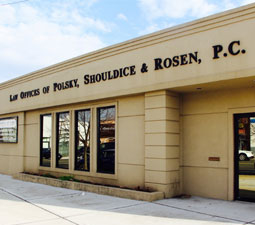
Polsky, Shouldice & Rosen, P.C. is a New York workers' compensation firm that has focused exclusively on workers' compensation law for more than 30 years, representing injured workers in treatment authorization disputes and all other aspects of the New York workers' compensation system. Free consultations are available.
Getting the Medical Treatment You Are Owed Under New York Workers' Compensation
If your workers' compensation treatment has been delayed or denied in New York, speaking with a New York Workers Compensation Lawyer about the authorization dispute is the most direct way to understand your rights and what steps move the process toward the care you need.