

New York employers will pay noticeably less for workers' compensation coverage this fall. The announcement has raised a reasonable question among injured workers, which is whether a cheaper system means smaller benefits on their own claims.
What the State Announced
On July 15, 2026, the Department of Financial Services approved an average 22 percent reduction in workers' compensation premium rates for insured employers statewide. The change takes effect October 1, 2026, and the state estimated savings of more than $1 billion for businesses. Premium rates in New York have declined steadily since 2020, with approved decreases averaging roughly 10.3 percent each year over that period.
The full announcement is available from the New York Department of Financial Services.
Why Rates Have Been Falling
State officials credited several developments:
- A decline in the frequency of lost-time claims
- Workplace safety measures, including warehouse worker protections
- An employer assessment rate that has dropped since 2021
- Online filing replacing paper submissions at the Board
- Hearings scheduled faster and medical dispute backlogs cleared
The Workers' Compensation Board also consolidated a dozen custom billing forms into one universal form, made telehealth rules permanent, and moved medical bills to electronic submission. Providers get paid sooner. That tends to keep more physicians willing to treat claim patients.
What This Means for a Claim
Premium rates are what an employer pays an insurer for coverage. Benefits are what an insurer pays a worker after an injury. They're two different numbers, governed by different parts of the system.
A rate reduction does not lower your weekly benefit. It does not narrow the medical treatment your claim covers, and it doesn't shorten the period during which you may receive payments.
If you're uncertain what your claim should include, our NY workers compensation benefits lawyer can walk you through the categories.
Where Problems Still Arise
Faster hearings help. Electronic filing helps. But an efficient system still runs on documentation, and claims are still denied, delayed, or underpaid when the medical record is incomplete or a deadline slips past unnoticed.
Insurers benefit from lower costs too. That doesn't change how they evaluate a disputed degree of disability or a contested causal relationship. Those fights look the same as they did before October.
A New York workers' compensation benefits lawyer reads the file the way an adjuster will, then fills the gaps before a hearing rather than after one. Preparation is usually what separates a smooth claim from a contested one.
Getting Your Claim Reviewed
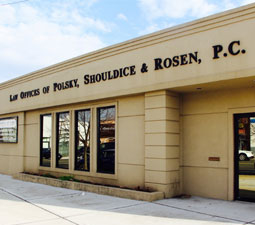
Good news for employers is not bad news for injured workers, but it isn't a reason to assume your claim will be handled correctly either. If you've been hurt on the job and have questions about what you're owed, the attorneys at Polsky, Shouldice & Rosen, P.C. can review your case. Contact our office to speak with a New York workers' compensation benefits lawyer about where your claim stands.