New York Treats Falls Differently Than Other States
New York is essentially alone among states in imposing strict liability on property owners and contractors for most elevation-related construction accidents that occur on a job site anywhere in the state. This unusual legal framework, built around Labor Law Sections 240 and 241, gives injured construction workers a path to recovery that does not exist in nearly any other jurisdiction in the country today, which is why understanding it matters so much.
What The Scaffold Law Actually Covers
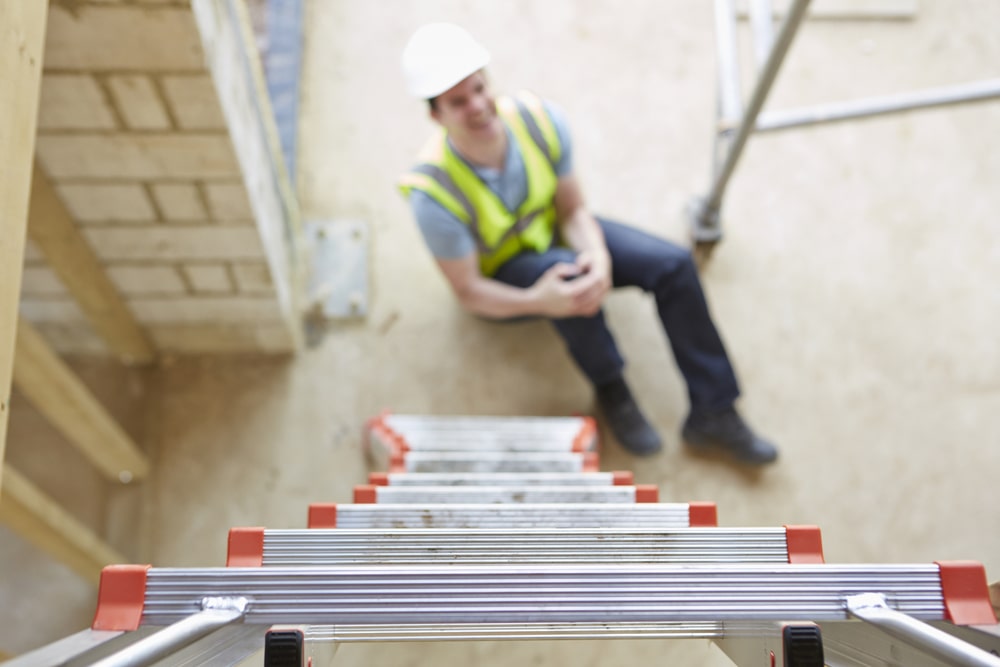
Labor Law Section 240, commonly called the Scaffold Law, was designed to protect workers from falls and from being struck by falling objects at elevated worksites of every kind and size. A Rockville Centre construction accident lawyer sees this statute apply to falls from scaffolding, ladders, and other elevated surfaces, along with injuries caused by tools or materials that fall from above a worksite onto a worker below.
Why Strict Liability Changes Everything About A Case
Under an ordinary negligence claim, an injured worker has to prove the property owner or contractor did something careless that actually caused the accident to happen in the first place. Strict liability under the Scaffold Law works differently, since a property owner or contractor engaged in the specific work covered by the statute can be held liable without the worker having to prove any negligence at all on anyone's part in the case. This shift in the burden of proof is what makes these claims fundamentally different from a typical premises liability lawsuit.
The Duty Cannot Be Passed Off To Someone Else
Liability under Sections 240 and 241 of the law is nondelegable, meaning an owner or general contractor cannot escape responsibility by pointing to a subcontractor who was actually supervising the work at the exact moment of the accident on site.
- The duty applies to owners and general contractors regardless of direct supervision
- A subcontractor may still face separate liability under related legal theories too
- The statute applies whether or not the responsible party was on site that day
- Comparative fault generally does not reduce recovery the way it does in other claims
Section 241 Covers Ground Level Safety Too
While Section 240 focuses specifically on elevation-related hazards, Section 241 addresses broader safety conditions at a construction site as a whole, sometimes called the Safe Place to Work Law under New York statute. This provision covers a wider range of site conditions and safety regulations beyond falls and falling objects specifically, including hazards workers encounter while moving around the site during a normal workday.
Workers' Compensation And A Scaffold Law Claim Can Both Apply
An injured construction worker can generally pursue workers' compensation benefits from their own employer while also separately pursuing a Scaffold Law claim against a property owner or general contractor who was not their direct employer at the time of the underlying accident. These are two distinct legal paths, and workers' compensation being the exclusive remedy against an employer does not prevent a separate third-party claim against others responsible for site safety.
What Damages Are Actually Available In These Claims
A successful Scaffold Law claim can recover full damages that workers' compensation alone does not provide, including full lost earning capacity and compensation for pain and suffering over the course of a long recovery from a serious injury. A Rockville Centre construction accident lawyer can evaluate which parties on a specific job site might bear liability under this framework, since identifying every responsible party often expands what a worker can ultimately recover from the claim.
Talk Through Your Construction Accident Claim
Polsky, Shouldice & Rosen, P.C. has represented construction workers throughout Long Island and understands how New York's uniquely protective safety laws apply to an elevation-related accident of any kind or severity. Reach out so we can review what happened on the job site and identify every avenue available for your recovery going forward from here.