

When a construction worker is injured on a Nassau County job site, New York's workers' compensation system provides a structured set of benefits designed to cover medical treatment and replace a portion of lost income. Understanding what those benefits include, and what the system does and does not provide, helps injured workers make informed decisions from the earliest stages of their claim.
Medical Benefits Under New York Workers' Compensation
New York workers' compensation covers all medical treatment that is reasonably necessary to treat a work-related construction injury. Covered services include:
- Emergency treatment and hospitalization immediately following a job site injury
- Authorized specialist consultations and follow-up care
- Surgical procedures and post-surgical rehabilitation
- Physical therapy, occupational therapy, and chiropractic treatment
- Prescription medications related to the work injury
- Diagnostic imaging including X-rays, MRIs, and CT scans
- Durable medical equipment such as braces, crutches, and prosthetics
There is no deductible and no co-pay. Authorized providers are paid directly through the workers' compensation system.
The authorization process matters. Workers' compensation carriers in New York have the right to review and in some cases contest medical treatment requests. An injured Nassau County construction worker who needs surgery or extended therapy may encounter authorization delays or denials that require a formal hearing to resolve. Understanding that the right to treatment must sometimes be actively defended is one of the first things injured workers should know about the system.
Wage Replacement Benefits
Workers' compensation in New York replaces a portion of an injured worker's lost wages when the injury prevents them from working or limits them to lighter duty. The amount depends on the worker's average weekly wage before the injury and the degree of disability the injury produces. Total disability benefits pay two-thirds of the worker's average weekly wage up to a statutory maximum that is adjusted annually. Partial disability benefits apply when the worker can return to some work but cannot earn what they did before the injury.
A Nassau County construction injury lawyer handles cases where the degree of disability is disputed by the carrier and where establishing the correct disability classification makes a meaningful difference in what the injured worker receives each week.
Permanent Disability Benefits
When a construction injury produces lasting impairment, New York workers' compensation provides benefits that reflect the permanent nature of the harm. Permanent partial disability benefits compensate for the ongoing wage earning capacity loss that results from a condition that will not fully resolve. Permanent total disability benefits are available in cases where the injury leaves the worker unable to perform any gainful employment.
Schedule loss of use awards are a distinct category that applies to the permanent impairment of specific body parts, including arms, legs, hands, feet, fingers, toes, eyes, and ears. These awards are calculated based on the percentage of loss of use and the statutory number of weeks assigned to each body part. For Nassau County construction workers who lose significant function in a limb, a schedule loss of use award can represent a substantial recovery.
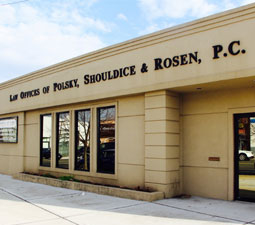
Polsky, Shouldice & Rosen, P.C. is a Nassau County workers' compensation firm that has represented construction workers and other injured employees throughout Long Island and New York for more than 30 years, including cases involving permanent disability classifications and schedule loss of use disputes.
Understanding the Full Scope of Your Benefits After a Nassau County Construction Injury
The workers' compensation system in New York is not self-executing. Benefits must be claimed, documentation must be filed, and disputes must be contested through hearings. If you were injured at a construction site in Nassau County, speaking with a Nassau County construction injury lawyer about the full range of benefits available to you is an important early step toward protecting your recovery.