

Cutting concrete, grinding masonry, and breaking up pavement all send fine mineral dust into the air. Workers breathe it without noticing, and the harm can take years to show up. Federal rules require employers to control that dust, and New York’s compensation system has a separate path for the diseases it causes.
Common Construction Tasks Release Silica Dust
The OSHA standard for respirable crystalline silica in construction, 29 CFR 1926.1153, lists specific tasks and equipment. Its Table 1 covers items such as masonry saws, handheld saws, drills, jackhammers, grinders, milling machines, crushers, and heavy equipment. For each listed task, the employer must carry out specified controls, such as water delivery or dust collection, and in some cases provide respiratory protection.
A stationary masonry saw, for example, requires an integrated water delivery system. The water is meant to keep the dust from becoming airborne. Workers assigned to those tasks without the listed controls can raise the issue with a Nassau County on-the-job injury lawyer.
OSHA Sets an Exposure Limit and an Action Level
The permissible exposure limit is 50 micrograms of silica per cubic meter of air, averaged over eight hours. The action level is 25 micrograms, and exposure at or above it triggers the standard’s monitoring requirements. Those numbers give the employer a measurable target, not just a judgment about whether the air seems dusty.
Silica isn’t the only hazard that can build up on a site, and lead in the workplace raises similar questions about controls, testing, and records. Workers exposed to either hazard benefit from keeping their own notes.
Employers Must Follow a Written Exposure Control Plan
The standard requires a written plan that describes the tasks that expose workers to silica, the controls and respiratory protection used for each, housekeeping measures, and the steps for restricting access to work areas when necessary. The employer must review it at least annually, and a competent person must make frequent and regular inspections of job sites, materials, and equipment. The plan must be available to employees on request.
A written plan matters after an injury because it shows what the employer promised to do. Comparing the plan with what workers actually experienced on the job is something a Nassau County construction injury lawyer can do.
Medical Surveillance Applies to Workers Who Wear Respirators
Employers must offer medical surveillance at no cost to each employee who will be required to use a respirator for 30 or more days per year under the standard. The trigger is respirator use, not exposure alone. A worker whose tasks follow Table 1 without a required respirator may not receive the same offer.
Anyone with breathing problems after years of cutting or demolition work should keep personal medical records, since the employer’s program may not cover them. Silicosis and other dust diseases fall among the occupational diseases that require careful proof.
New York Treats Silicosis as an Occupational Disease
Under Workers’ Compensation Law section 28, a claim for an occupational disease isn’t barred by the usual two-year filing rule. It must be filed within two years after disablement and after the claimant knew or should have known the disease was due to the employment. The statute lists silicosis and other dust diseases among the covered conditions.
Gradual exposure means the clock runs from the worker’s knowledge. A worker may not connect a cough to dust until a doctor makes the link, and a claim with no specific accident date can still succeed when the work history supports it.
Tracing which employer and which jobs contributed to a worker’s exposure is work a Nassau County workplace injury lawyer can take on. That history can decide which insurance carrier and which job sites are involved in the claim.
What Workers Should Document
Because exposure builds over time, a worker’s own records can fill gaps in what an employer kept. Specifics matter here. A few items help:
- A list of employers, job sites, and dates of work
- The tasks performed, such as cutting, grinding, or demolition
- Whether water, vacuums, or respirators were provided
- Medical tests, imaging results, and doctor visits
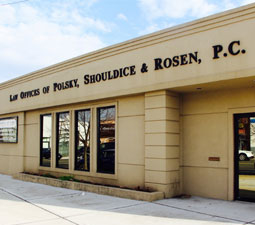
Adam Rosen, a partner at Polsky, Shouldice & Rosen, P.C. since 2000, chairs the Nassau County Bar Association Workers’ Compensation Committee and educates workers about their rights at union meetings, churches, and community centers. He also has hands-on experience managing claims across multiple New York offices.
Dust diseases develop quietly, and the paperwork behind them is easiest to gather early. A construction worker in Nassau County with a persistent cough or a breathing diagnosis can get in touch with our firm to start sorting out the employment history and filing dates.